
If symptoms occur—even if they disappear—seek urgent medical evaluation. Early intervention can include diagnostic imaging and treatments that reduce the risk of a major stroke, which affects roughly 10-15% of TIA patients within 90 days without preventive care.
Check Your Medicine Cabinet
Some medications can increase stroke risk by affecting blood clotting or blood pressure. Reviewing your prescriptions with a healthcare provider can identify if adjustments are necessary. This step is especially important for older adults managing multiple chronic conditions.
Awareness of the warning signs and quick action can save lives and reduce long-term disability from strokes.
Here are the 5 signs. Number 2 is the one most people don’t expect — and recognizing it early can be lifesaving.
Continue Reading on the Next Page
1. Sudden Weakness or Numbness
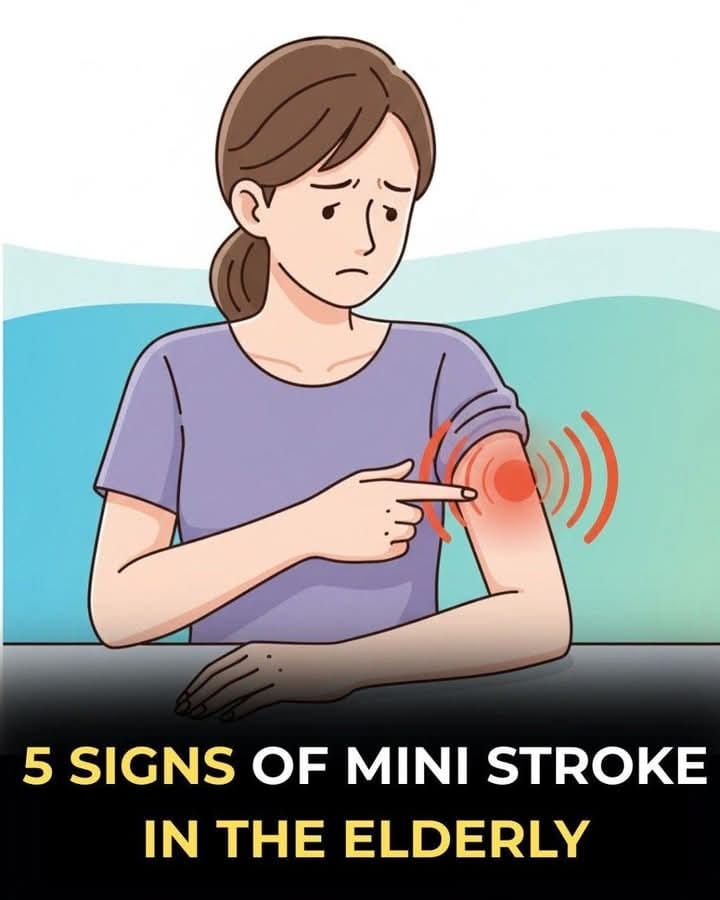
Sudden weakness or numbness, particularly on one side of the body, is a hallmark sign of a mini stroke, or Transient Ischemic Attack (TIA). This symptom typically affects the face, arm, or leg. For example, a person might notice one side of their face drooping or experience difficulty lifting an arm or leg. The weakness or numbness often occurs abruptly and may resolve within minutes to hours.






Comments