
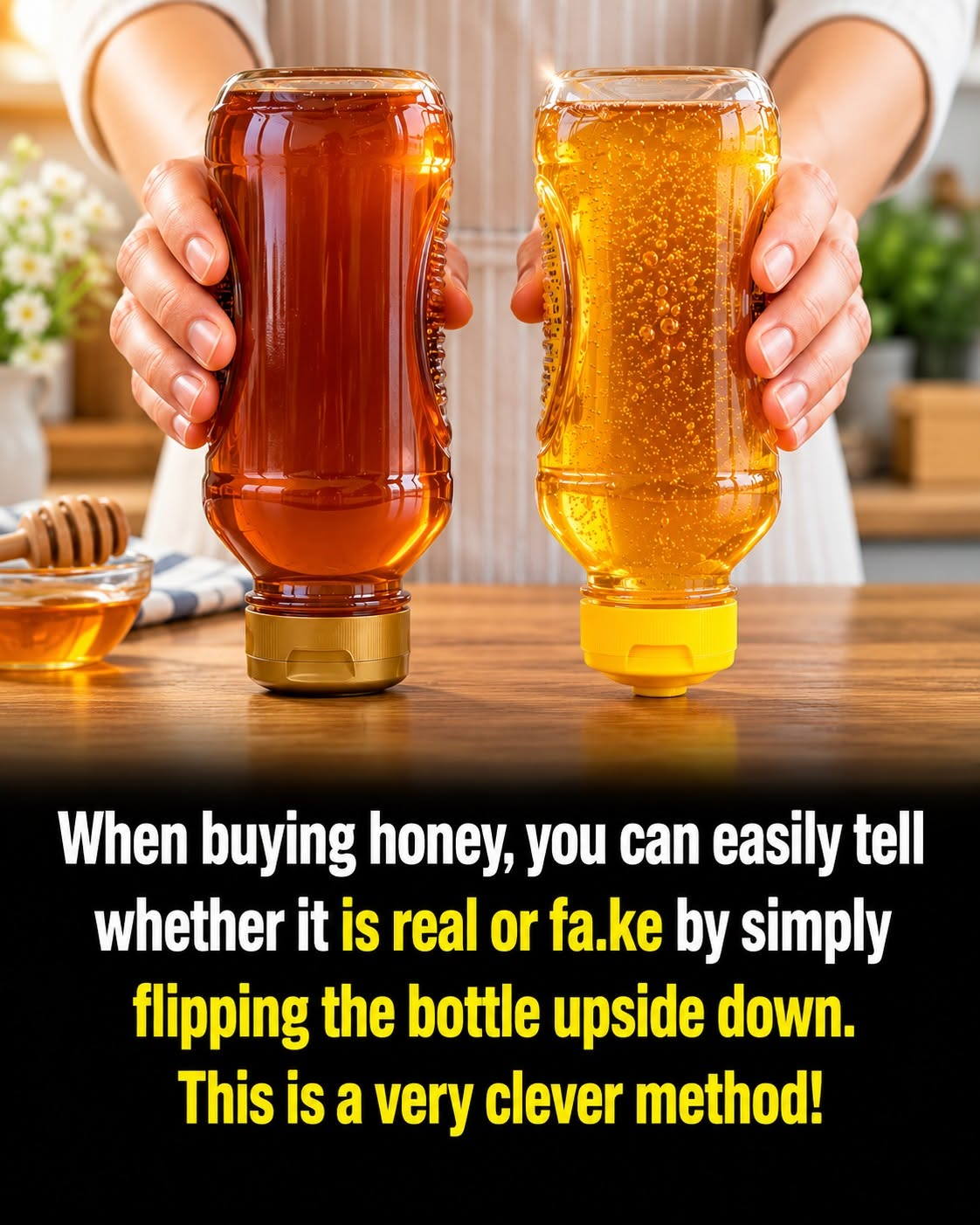
Honey has been treasured for thousands of years. Long before modern sweeteners appeared on supermarket shelves, people relied on this golden substance for its distinctive flavor, natural sweetness, and remarkable versatility. It has been used to sweeten food, prepare traditional remedies, preserve certain ingredients, and complement everyday wellness routines. Even today, honey remains one of the most recognizable natural products in kitchens around the world.
Discover more
Real Honey Products
Honey identification guide
Natural honey remedies
Yet behind the familiar golden color and pleasant sweetness lies a growing challenge for consumers: determining whether the honey they purchase is genuinely produced by bees or has been diluted, blended with cheaper sweeteners, or otherwise misrepresented.
At first glance, the task might seem simple. Honey is thick, sweet, and usually golden or amber in color. Surely, a quick look at the bottle should be enough to tell whether it is authentic. Unfortunately, appearances can be deceiving. Genuine honey comes in a wide range of colors, textures, and flavors, while products containing added syrups can be manufactured to resemble natural honey remarkably well.







Comments