
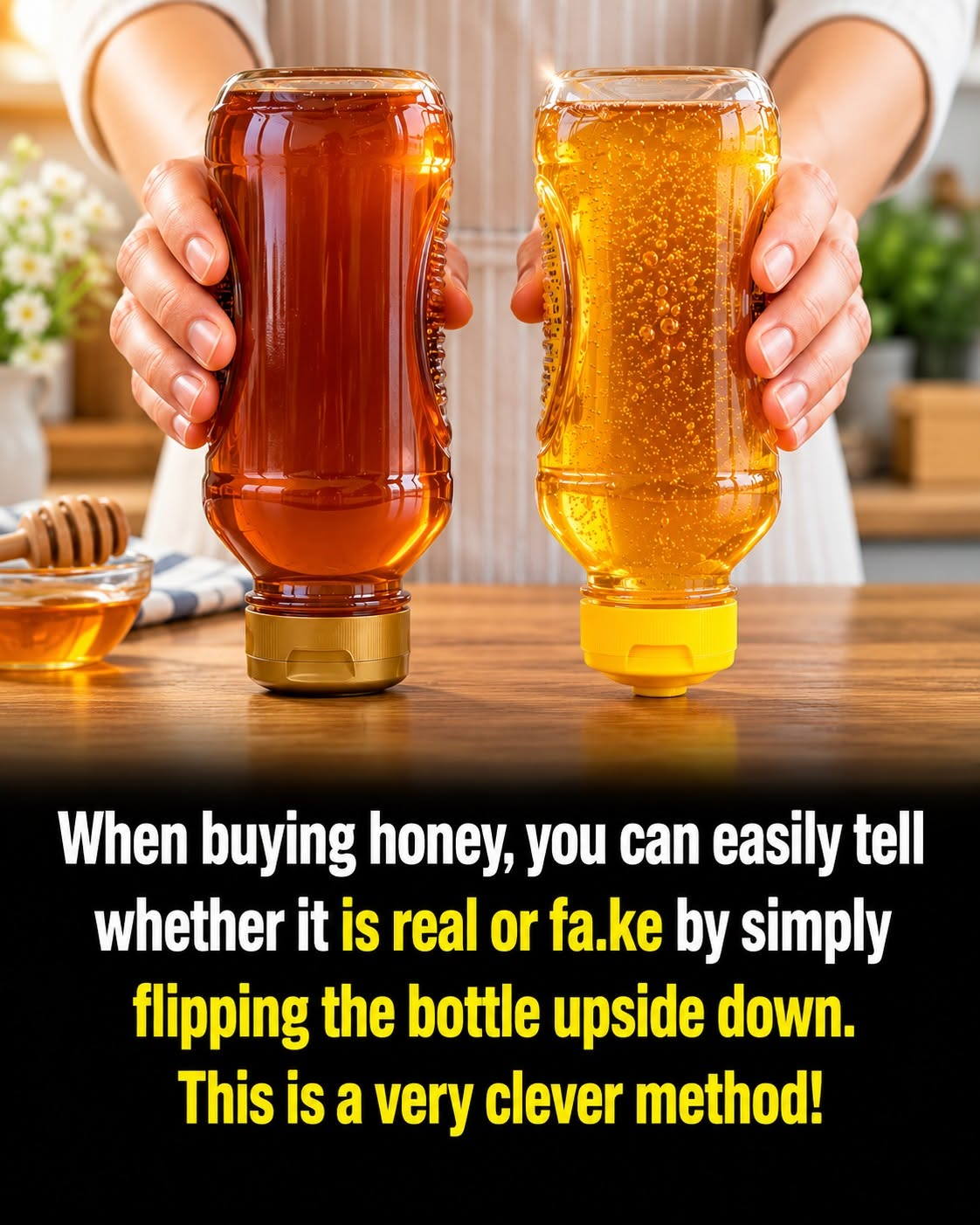
The financial incentive for adulteration is considerable. Producing genuine honey requires time, healthy bee colonies, suitable flowering plants, favorable weather, careful harvesting, and proper processing. Beekeepers must maintain their colonies throughout the year, protect them from pests and diseases, and transport hives when necessary to follow seasonal blooms. The final product therefore reflects considerable labor and natural variability.
Làm sao biết mật ong thật – giả chỉ bằng 1 cốc nước? Mẹo dân gian đơn giản mà hiệu quả đến bất ngờ
Real Honey Products
By contrast, certain inexpensive sweeteners can be produced on a much larger industrial scale. When dishonest suppliers use these substances to replace part of the honey in a product, they may reduce production costs while selling the finished mixture at a price that suggests it is genuine honey.
This creates a problem for ordinary shoppers. A bottle may look attractive, have a familiar label, and taste pleasantly sweet without necessarily containing what the seller claims. In some cases, the difference is difficult to detect without laboratory analysis.
Fortunately, consumers are not entirely powerless. Several simple observations can help identify suspicious products, while a few practical purchasing habits can reduce the likelihood of buying adulterated honey.




Comments