
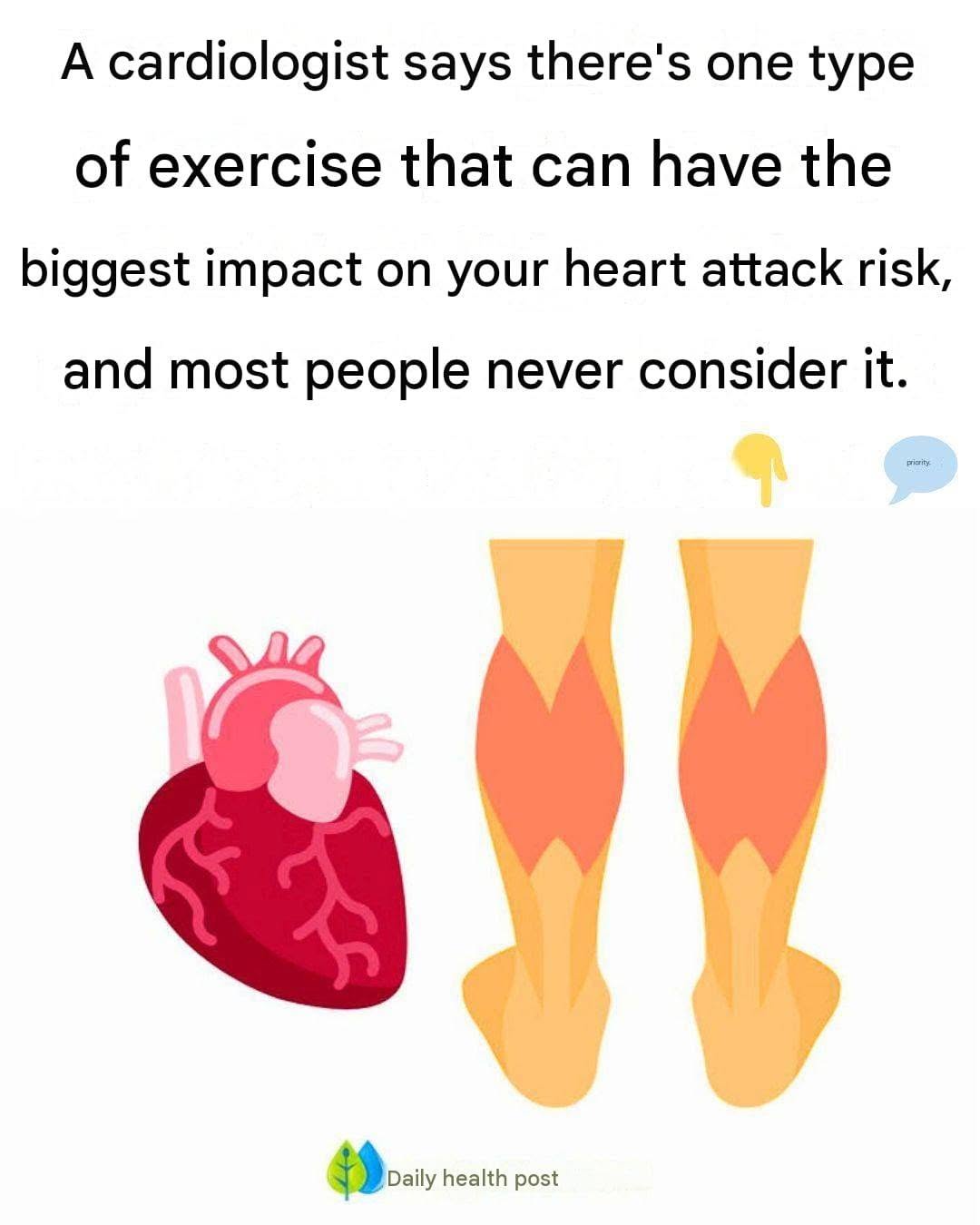
How Much Exercise Do You Need?
Federal health authorities and cardiologists alike recommend at least 150 minutes of moderate-intensity aerobic physical activity per week for adults . This can be broken up in several ways:
30 minutes a day, 5 days a Week
25 minutes of vigorous activity, 3 days a week
A combination of moderate and vigorous activity
Even short “exercise snacks” lasting a few minutes, accumulated throughout the day
Dr. Laffin emphasizes that the benefits grow with even more exercise, and studies have shown that weekend-only workouts provide similar health benefits to more frequent shorter workouts .
One study found that the highest mortality rate was observed among participants with the lowest physical activity volume (less than 500 MET-minutes per week), while lower mortality rates were observed across higher activity volumes, with the lowest risk among participants with the highest volume .
The Role of Strength Training: A Powerful Companion
While aerobic exercise takes the top spot for heart attack prevention, experts note that resistance training (strength training) plays a vital supporting role. A large cohort study published in the Journal of the American College of Cardiology found that women who participated in resistance training had a lower risk of cardiovascular disease, particularly heart attack .
Specifically, compared to no resistance training, engaging in resistance training at least two times per week was associated with a 20% lower risk of major cardiovascular disease and a 44% lower risk of heart attack . Each additional hour per week was associated with a 5% lower risk of major cardiovascular disease and a 14% lower risk of heart attack .
The study also found that women who combined resistance training (at least 2 hours per week) with aerobic activity (150 minutes per week) had a 45% lower risk of heart attack than those with no physical activity .
Dr. Laffin and other experts emphasize that both types of exercise are important, but aerobic activity should be the foundation. As one exercise physiologist put it, “Aerobic exercise and resistance training are the most important for heart health” .
Why Most People Don’t Do It
Despite the overwhelming evidence, many people don’t engage in regular aerobic exercise. Common barriers include:
Lack of time: Busy schedules make it difficult to carve out 30 minutes a day.
Low motivation: Exercise requires effort, and the benefits are cumulative over time.
Misunderstanding: Many people believe that only intense workouts count, when in fact moderate-intensity activity (where you can still carry on a conversation) provides significant benefits.
Sedentary lifestyle: Modern life encourages sitting—at desks, in cars, and on couches—which directly undermines heart health .
Practical Tips for Getting Started
If you’re looking to reduce your heart attack risk, here’s how to incorporate more aerobic exercise into your routine:
Start small. Even 10-minute sessions count.
Three 10-minute walks a day can fulfill the 30-minute daily recommendation .
Find activities you enjoy. Walking, swimming, cycling, dancing, or even gardening can all count as aerobic exercise if they raise your heart rate.
Make it social. Exercise with a friend, join a class, or participate in a community sport—accountability increases consistency.
Break up sitting time. Stand up and move every hour, even if just for a few minutes. This alone can reduce heart attack risk .
Track your progress. Using a fitness tracker or simply noting your activities can help you stay motivated and ensure you’re hitting the 150-minute weekly target.
Consult your doctor. If you have existing heart conditions or are recovering from a cardiac event, work with your healthcare provider to develop a safe exercise plan.
Conclusion
The cardiologist’s verdict is clear: aerobic exercise is the single most impactful type of physical activity for reducing heart attack risk. It directly strengthens the heart, lowers blood pressure, improves cholesterol, and reduces the risk of coronary heart disease—the leading cause of heart attacks.
While strength training offers valuable additional benefits, cardio should be the foundation of any heart-healthy exercise routine. And the best part? You don’t need a gym membership or expensive equipment. A brisk walk, a swim, a bike ride, or a dance session can all do the job—as long as you do it regularly.
As Dr. Laffin puts it, “Aerobic exercise training should be promoted above all else” for heart attack prevention . Most people never consider it—but maybe they should.






Comments