
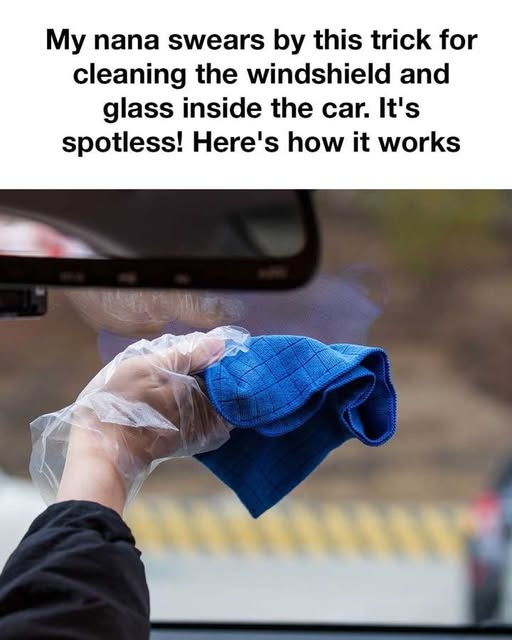
Before you start spraying your cleaning solution, laying down protective microfiber towels across your dashboard is essential to protect your electronics and upholstery from chemical drips. Never spray cleaning liquids directly onto the windshield or side windows while sitting inside the driver’s seat, as overspray can easily coat your instrument cluster, steering column, or electronic navigation screens. Instead, mist your cleaning cloth directly and tackle the glass using a methodical overlapping pattern.
Mastering the Technique for a Flawless, Streak-Free Finish
Achieving professional results when cleaning the windshield and glass inside the car comes down to mastering a clever multi-directional wiping technique. Most people make the critical mistake of wiping in circles, which simply moves the oily film around in a rotational pattern rather than lifting it off the glass surface. Instead, you should wipe horizontally across the entire driver’s side of the interior windshield, and then follow up with a vertical wiping motion on the exterior side or the next pass. This brilliant cross-pattern trick allows you to instantly identify exactly which side of the glass any remaining streak is on.
As you work your way across the curved contours of the dashboard, reaching the bottom corners of the front windshield can strain your wrists and back. Professional detailers often use specialized ergonomic cleaning wands with pivoting triangular heads to reach deep into the tight angle where the glass meets the dashboard. Once you have thoroughly scrubbed away the oily haze using your vinegar mixture, you must immediately switch to a completely dry, high-pile plush microfiber polishing towel to buff the glass to absolute perfection.
The Secret Final Step Nobody Talks About
While the vinegar and water solution effectively strips away grease and grime, there is one final professional secret that separates an amateur wipe-down from a truly invisible, high-definition finish. After buffing the glass dry, many experienced detailers apply a tiny amount of cornstarch or isopropyl alcohol mixed with distilled water to neutralize static charge on the glass surface. Static electricity is the invisible enemy of clean car windows because it acts like a magnet, instantly pulling floating dust, pet hair, and lint right back onto your freshly polished windshield the moment you turn on your vehicle ventilation system. By eliminating this static attraction, your windows stay brilliantly clear even during dusty highway commutes or pollen-heavy spring seasons. ….👇👇
Keep reading — tap the button below to continue.
Taking this extra step ensures that your visibility remains crystal clear during torrential rainstorms or blinding morning sun glares when smudges become most dangerous. Nana’s timeless cleaning wisdom combined with modern microfiber technology proves that you do not need expensive specialty retail sprays to achieve showroom-quality results. Maintaining clear visibility is not just about aesthetics; it is an essential safety precaution that gives you reaction time and unhindered sightlines on every single journey you take behind the wheel. Take ten minutes this weekend to try this foolproof method, and you will immediately notice the remarkable difference every time you start your engine.
Frequently Asked Questions
Can I use regular window cleaners like Windex on tinted car windows?
You should always avoid using standard ammonia-based window cleaners if your car has aftermarket window tinting films. Ammonia breaks down the adhesive backing of tint films over time, causing them to bubble, turn purple, or peel away from the glass. Stick to ammonia-free or vinegar-based DIY solutions for safe, streak-free cleaning.
Why do my car windows look foggy or smear when the defroster is turned on?
A foggy film appearing when the defroster blows air usually indicates a buildup of oily residue, smoke film, or dashboard outgassing on the interior glass. When moisture from your breath or the HVAC system hits this oily layer, it condenses into uneven droplets that scatter light and blur your vision. Deep cleaning the interior glass with a degreasing solution completely resolves this issue.
How often should I clean the inside of my car windows?
While exterior windows get washed frequently during car washes, interior glass typically only needs a thorough deep cleaning every two to three months. However, if you frequently drive with pets, smoke, or keep your windows rolled down in heavy traffic, you may need to wipe down the windshield monthly to maintain optimal nighttime driving clarity.
Cleaning your car’s interior glass doesn’t have to be a frustrating chore that leaves you staring at annoying streaks against the morning sun. By swapping out harsh chemical sprays for a simple, natural vinegar solution and utilizing proper wiping techniques, you can enjoy a spotless, crystal-clear view on every drive. Happy driving, and may your journeys always be safe and clear! 🌟
Keep reading — tap the button below to continue.






Comments