
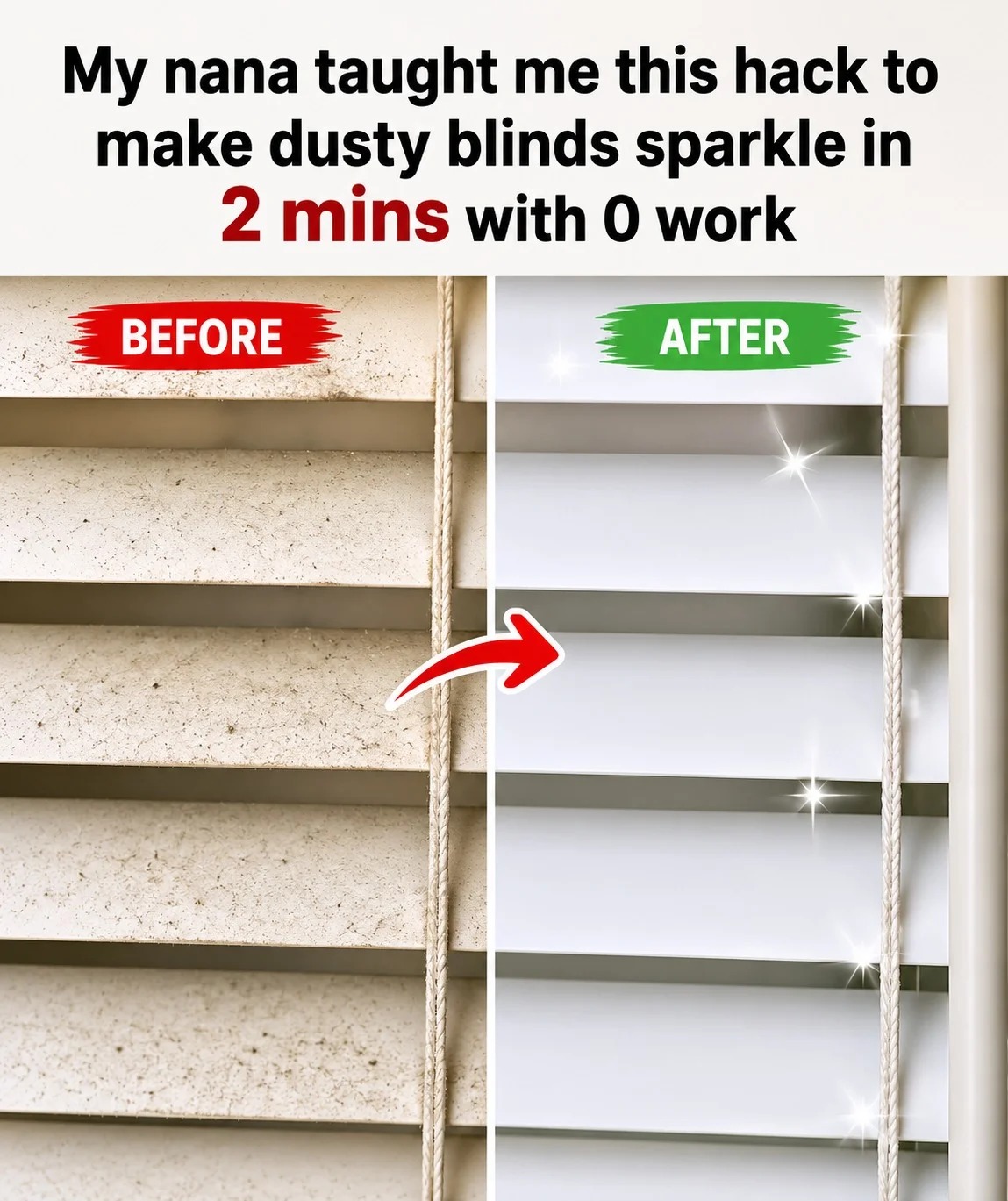
After wiping, immediately go over the slats with a clean, dry microfiber cloth. This step prevents water spots and protects materials sensitive to moisture. Leave the blinds open until completely dry to avoid warping or staining, especially with wooden blinds.
Special Considerations for Different Blind Materials
Each blind material requires a tailored approach:
- Vinyl and Aluminum: Can tolerate damp cleaning with mild soap. Avoid abrasive sponges that can scratch surfaces.
- Faux Wood: Use minimal moisture and dry promptly to prevent water damage to internal layers.
- Real Wood: Prefer dry dusting or very lightly damp cloths, avoid vinegar and soaking to protect finishes and wood integrity.
- Fabric: Avoid wet cleaning unless the care label permits it. Vacuum gently with an upholstery attachment for dust removal.
When Grease Buildup Is Present
In kitchens, blinds often collect sticky grease that traps dust. For washable vinyl or metal blinds, remove loose dust first, then clean small sections with warm soapy water, wiping away soap residue with a damp cloth and drying thoroughly. Avoid harsh scrubbing or strong chemicals that can damage coatings.
Common Mistakes That Can Damage Your Blinds
- Using Excess Water: Can cause streaks, warping, or damage internal mechanisms.
- Skipping Dry Dusting: Leads to muddy residue when wet cleaning.
- Applying Too Much Pressure: Can bend or break delicate slats.
- Using Strong Chemicals: Bleach, ammonia, or abrasive cleaners can discolor or weaken materials.
- Neglecting Cords and Headrail: Dust accumulates here too; wipe gently without letting liquids seep into mechanisms.
Here are the 10 steps to make your blinds sparkle effortlessly. Number 7 reveals the key to protecting wooden blinds without damage.
Continue Reading on the Next Page
Keep reading — tap the button below to continue.
1. Prepare blinds and dry dusting
Before applying any moisture, it’s essential to remove loose dust from your blinds to avoid creating a stubborn residue. Start by closing the blinds so the slats form a flat surface. Use a vacuum cleaner fitted with a soft brush attachment or a dry microfiber cloth to gently remove dust from the top of the blinds to the bottom. This prevents dust particles from falling onto areas you’ve already cleaned.
Once one side is dusted, tilt the blinds in the opposite direction and repeat the process. This dry dusting step is crucial because when water meets thick dust, it can turn into a muddy paste that’s more difficult to clean off later.
2. Mixing the cleaning solution
Prepare a mild cleaning solution by filling a bowl with warm water and adding two to three drops of gentle dishwashing liquid. Stir the mixture carefully to avoid creating too many suds. Excess soap can leave behind a sticky residue that attracts more dust soon after cleaning.
For vinyl or aluminum blinds with greasy buildup, you can add a small splash of white vinegar to the solution. However, vinegar should be avoided on real wood blinds or any surfaces where acidic cleaners are not recommended by the manufacturer. Never mix vinegar with bleach or chlorine-containing products to prevent harmful fumes.
Once your solution is ready, dip the cleaning tool (an old sock or microfiber cloth) into the bowl, then squeeze out excess liquid so it’s damp but not dripping.
Continue Reading on the Next Page
Keep reading — tap the button below to continue.
3. Using the sock to clean
Place a clean, soft sock over your hand like a glove. This allows you to feel the slats and control pressure accurately. Lightly dip the fingertips of the sock-covered hand into your cleaning solution, then wring out most of the liquid so the sock is just damp.
Using the sock this way enables you to gently hold and wipe both the top and bottom surfaces of each slat simultaneously. The soft fabric picks up dust and grime without scratching most common blind materials.
4. Wiping technique for slats
Starting from the topmost slat, hold it gently between your thumb and fingers, and slide your hand along the entire length of the slat. This motion cleans both sides in one pass, saving time and effort.
Work your way downward, cleaning each slat in turn to avoid dust falling onto already cleaned areas. If the sock becomes visibly dirty, rinse it in the cleaning solution, wring it out thoroughly, and continue. If the water turns cloudy, refresh your cleaning solution to maintain effectiveness.
5. Drying the blinds
After cleaning all slats, use a clean, dry microfiber cloth to wipe each slat. This step prevents water spots and protects materials that can be damaged by prolonged moisture exposure, such as wood or faux wood.
Leave the blinds open until completely dry before closing them again. Proper drying is essential to preserve the finish and prevent warping or other moisture-related damage.
Continue Reading on the Next Page
Keep reading — tap the button below to continue.
6. Cleaning vinyl and aluminum blinds
Vinyl and aluminum blinds generally tolerate damp cleaning well. Mild dish soap in warm water is usually sufficient to remove everyday dust, fingerprints, and light grime.
Avoid abrasive sponges or scrubbers, as these can scratch or dull the finish. Instead, use your damp sock or a soft cloth to clean gently. For stubborn greasy spots, a small amount of white vinegar added to your cleaning solution can help break down residues without damaging the surface.
7. Care for faux-wood blinds
Faux-wood blinds are more moisture-resistant than natural wood but can still be damaged if exposed to excessive water. Use minimal moisture during cleaning, and dry each slat promptly after wiping.
Water can seep into seams or edges, causing swelling or internal damage over time. To protect your blinds, always ensure your cleaning cloth or sock is only damp, not wet, and never soak faux-wood blinds.
8. Cleaning real-wood blinds
Real-wood blinds require extra caution to avoid swelling, warping, or finish damage. Begin with dry dusting using a microfiber cloth or vacuum brush attachment.
If you must clean more thoroughly, use a barely damp cloth and dry the slats immediately afterward. Avoid vinegar, soaking, steam cleaning, or any method that applies significant moisture or harsh chemicals to real wood.
Regular dry dusting and prompt attention to spills will extend the life and appearance of wood blinds.
Continue Reading on the Next Page
Keep reading — tap the button below to continue.
Keep reading — tap the button below to continue.







Comments