
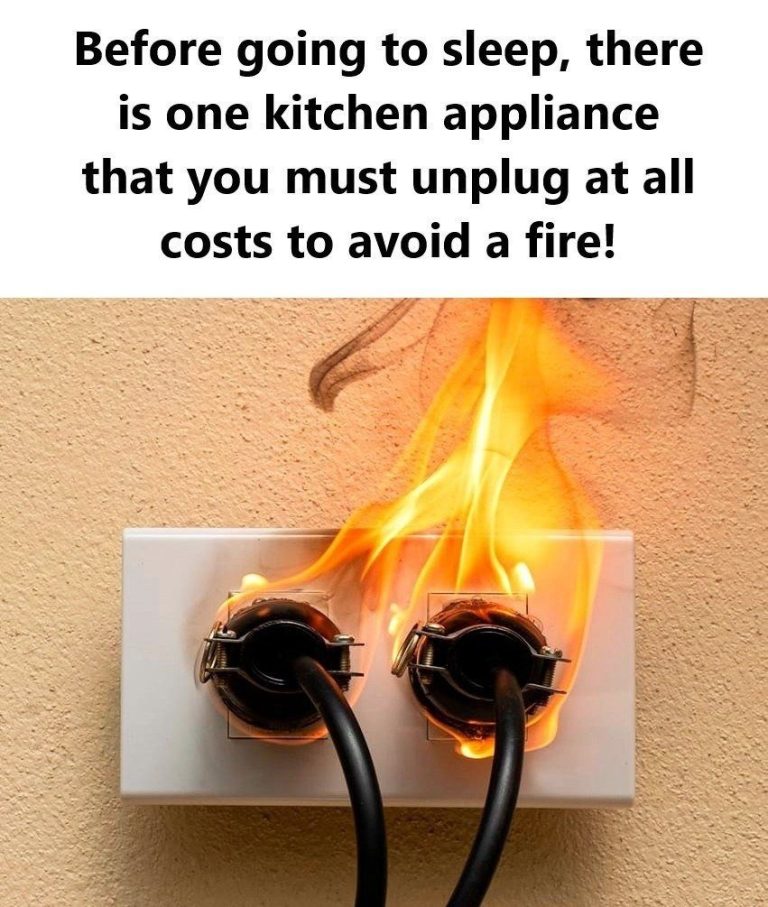
Electrical overload can cause circuit breakers to trip or, in worse cases, cause electrical fires. This risk is heightened in older homes with outdated wiring or overloaded power strips.
Some signs of electrical overload to watch for include:
Frequent tripping of circuit breakers.
Warm or discolored power outlets or plugs.
Flickering lights or sparking when plugging in appliances.
To mitigate these hazards, unplug your toaster when it is not in use, especially before bedtime or when leaving the house. Avoid using multiple high-power appliances simultaneously on the same outlet or extension cord.
Continue Reading on the Next Page
3. Energy Waste from Plugged-In Appliances
Even when turned off, many kitchen appliances, including toasters, continue to draw small amounts of electricity if left plugged in. This phenomenon is known as phantom or standby power consumption. While the amount of energy used by a single toaster may be small, the cumulative effect of multiple plugged-in appliances can significantly increase your electricity bill over time.
Unplugging appliances like toasters when they are not in use can help reduce unnecessary energy consumption, lower your utility costs, and decrease your household’s overall environmental impact.
Practical Guidance for Toaster Safety
Always unplug your toaster immediately after use.
Clean crumb trays regularly to prevent fire hazards.
Do not insert oversized or wet items into the toaster, as this can cause jamming or overheating.
Use outlets and circuits within their recommended load limits to avoid electrical overload.
Inspect your toaster and electrical cords periodically for damage, and replace if necessary.
When to See a Doctor
While toaster safety is primarily a fire and electrical concern, any household fire or electric shock incident can lead to serious injury. If you or someone else experiences burns, smoke inhalation, electrical shock, or any related symptoms after an appliance incident, seek medical attention immediately.
For individuals with respiratory conditions such as asthma or chronic obstructive pulmonary disease (COPD), exposure to smoke from a kitchen fire can worsen symptoms. Prompt evaluation by a healthcare professional is essential in such cases.
Conclusion
Toasters are common kitchen appliances but can present hidden risks if left plugged in unattended. The accumulation of crumbs inside the toaster poses a fire hazard, and continuous power connection increases the risk of electrical overload and phantom energy waste. Simple habits like unplugging your toaster after each use and regular cleaning can significantly reduce these risks, protect your home, and save energy.
Prioritizing appliance safety is an easy step toward preventing household fires and electrical issues. Make unplugging your toaster a routine part of your kitchen safety practices.
Disclaimer: This information is for educational purposes and does not replace professional advice. Consult qualified electricians for electrical concerns and seek immediate medical care for any injuries or health emergencies.





Comments