
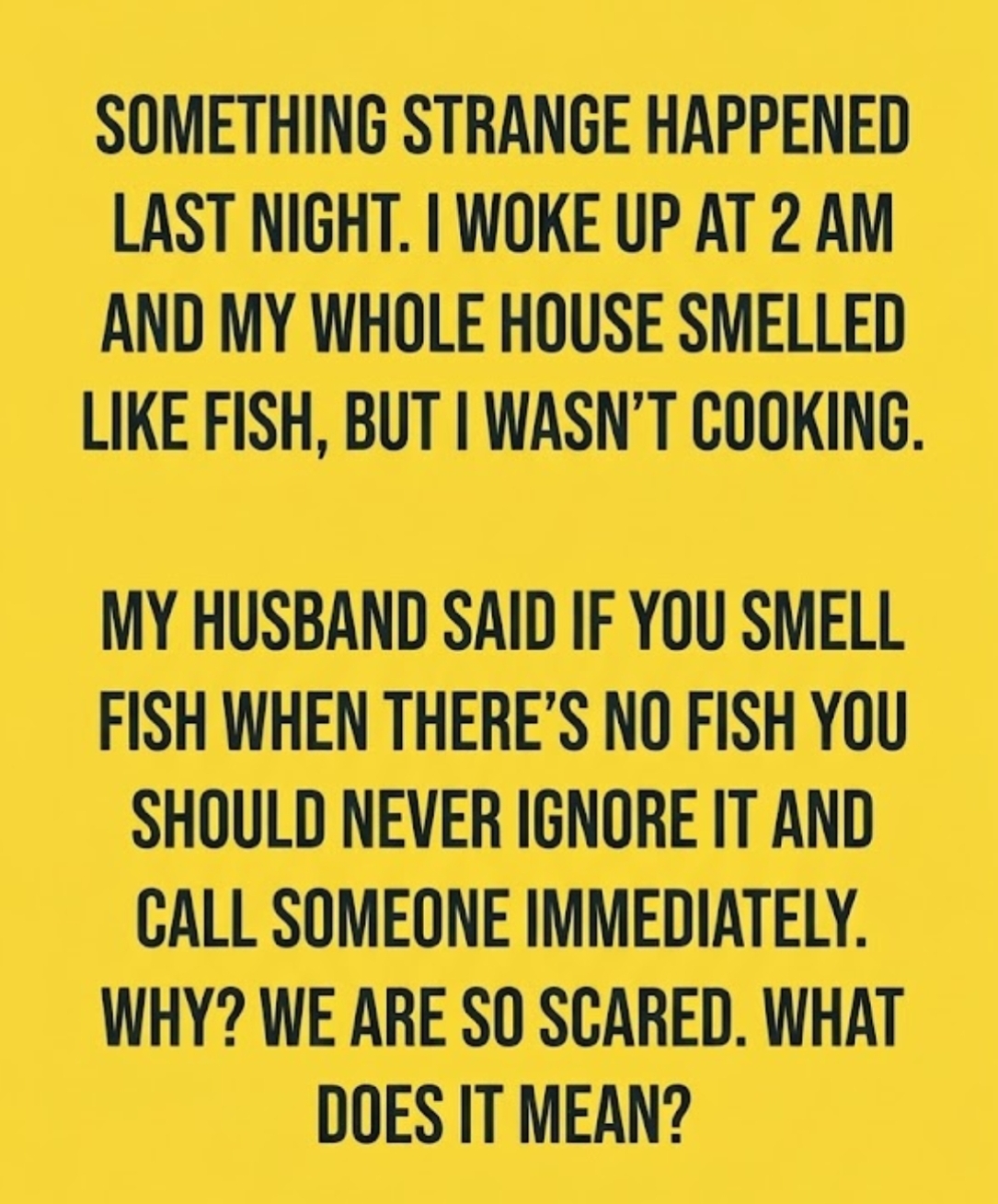
Common Culprits: Where Do Electrical Overheating Events Originate?
Pinpointing the source of a hidden electrical hazard requires understanding the weak points in a home’s power grid. Electrical overheating rarely happens spontaneously without a triggering condition. Several frequent culprits account for these midnight alarms:
-
Overloaded Circuits and Outlets: In the modern digital age, households plug an unprecedented number of high-power devices, entertainment systems, kitchen
-
appliances, and charging stations into standard wall outlets. When a single circuit draws more electrical curren than it was safely designed to handle, the internal wiring experiences heightened resistance, generating intense heat behind the drywall.
-
Loose Terminals and Connections: Over time, thermal expansion and contraction—caused by the natural fluctuation of electrical current—can cause terminal screws inside wall outlets and switches to loosen. A loose connection creates poor electrical contact, resulting in intermittent sparking or microscopic electrical arcs. These arcs produce localized temperatures that can exceed several thousand degrees Fahrenheit, rapidly
-
baking nearby plastic housings and emitting the characteristic fishy odor.
-
Aging Infrastructure and Deteriorating Wiring: Homes built decades ago often feature outdated wiring materials, such as older insulation types that degrade, become brittle, and crack as they age. As the protective barrier around the copper conductors deteriorates, vulnerability to localized overheating multiplies significantly.
understanding that it is a physical, measurable manifestation of thermal stress, homeowners can replace blind panic with a structured, methodical safety protocol. Recognizing that your home is trying to communicate with you transforms fear into proactive agency.
Immediate Emergency Action Plan: What to Do at 2 AM
If you wake up to an unexplained fishy odor, time is of the essence, but panic must be replaced by disciplined caution. Never ignore the warning sign, and follow a strict emergency checklist:
-
Step 1: Do Not Panic, But Act Immediately: Acknowledge that
Failing Appliances and Hidden Devices: Sometimes, the issue stems not from the wall itself, but from a plugged-in appliance experiencing internal component failure—such as a failing transformer, a shorting motor winding, or a degraded power supply unit
-
quietly overheating in a corner.
The Psychological Impact: Navigating Fear and Panic
When faced with an invisible, inexplicable hazard in the middle of the night, human psychology naturally swings toward anxiety. As noted in moments of sudden crisis, the immediate reaction is often a paralyzing mixture of fear and confusion. People wonder why they are scared, questioning if they are imagining things or if something supernatural is occurring.
This psychological vulnerability highlights the importance of education and preparedness. Fear often stems from the unknown. By demystifying the fishy smell and
-
your nose has detected a legitimate safety hazard. Treat the situation with the same urgency as hearing a smoke alarm.
-
Step 2: Cease Power Usage and Unplug Non-Essential Devices: If the smell seems localized to a specific room or wall, carefully unplug any devices connected to nearby outlets. However, do so without touching scorching-hot faceplates.
-
Step 3: Locate and Inspect Infrastructure Safely: Using a flashlight, inspect outlets, switches, and power strips. Look for visual signs of discoloration, yellowing, warping, or soot marks. Carefully feel the wall plates with the back
-
of your hand (never your bare palm or fingers) to check for abnormal warmth.
-
Step 4: Shut Down the Main Circuit Breaker if Necessary: If the odor is pervasive throughout the house or if you identify a hot, discolored outlet, do not hesitate. Go to your main electrical panel and safely shut off the main circuit breaker to cut power to the entire house, eliminating the ignition source.
-
Step 5: Contact a Licensed Professional: Never attempt to dismantle walls, pull out outlets, or perform electrical repairs yourself unless you are
-
a qualified electrician. Call emergency electrical services or a certified professional to conduct a comprehensive thermal imaging and wiring assessment before restoring power.
Long-Term Prevention and Maintenance
Addressing an acute incident is only half the battle; ensuring long-term residential safety requires regular preventive maintenance. Modernizing older electrical panels, installing Arc-Fault Circuit Interrupters (AFCIs) which detect dangerous electrical arcs before they start fires, and scheduling periodic electrical inspections by licensed contractors are invaluable investments. Furthermore, educating every member of the household about subtle warning signs—such as flickering lights, buzzing sounds, warmoutlet covers, or strange odors—ensures that everyone acts as an active guardian of domestic safety.
Conclusion
An unexplained midnight odor is never merely a strange anomaly; it is a profound reminder of the unseen energies that power our daily lives. When the house smells of fish in the dead of night, it is your home’s sophisticated sensory defense system whispering a desperate warning. By listening attentively, understanding the chemistry of thermal degradation, and responding with decisive, calm action, you can protect your sanctuary, avert potential tragedy, and ensure peace ofmind for you and your loved ones.






Comments