
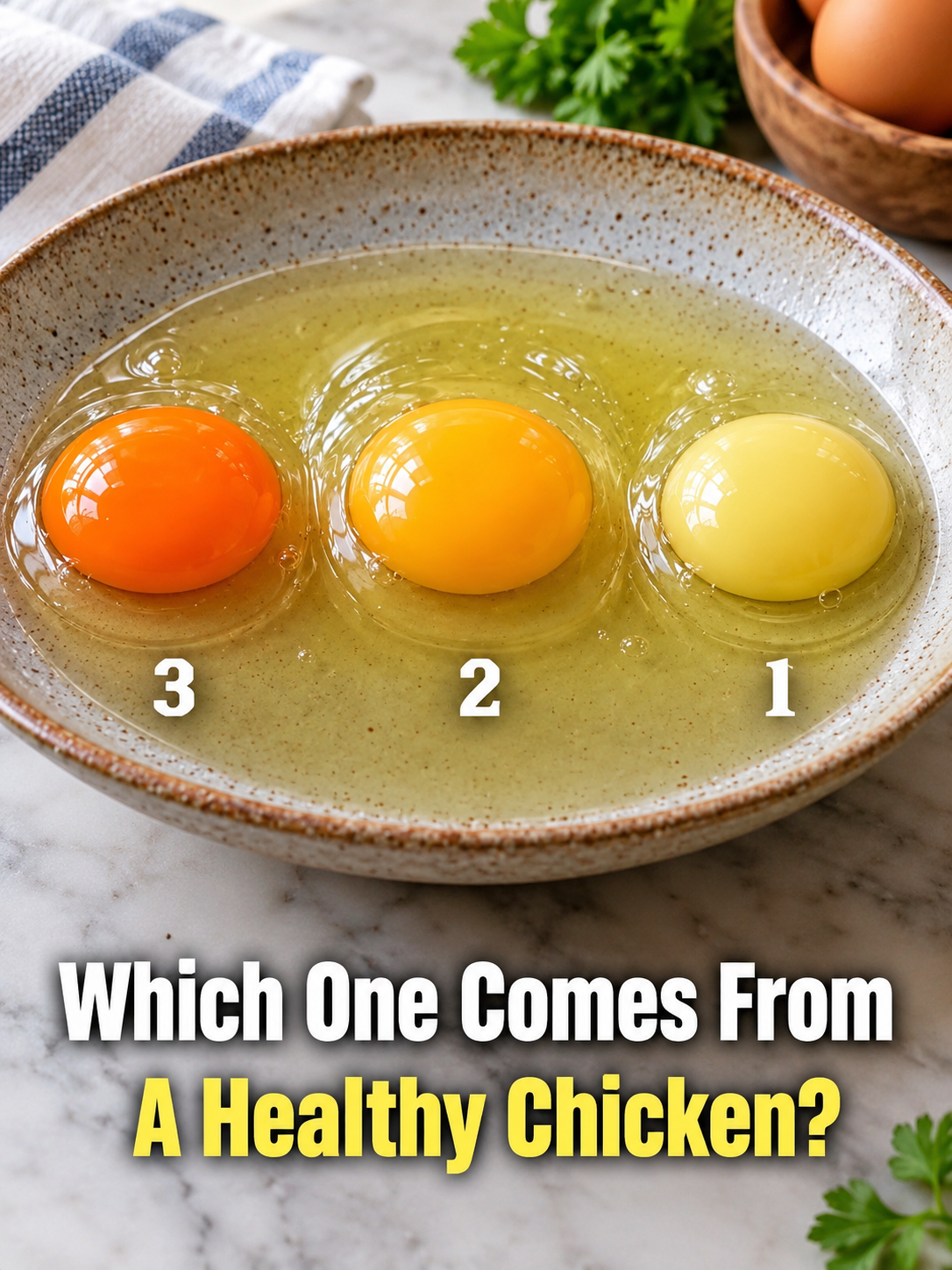
Carotenoid-Rich Foods: Hens that are fed greens like grass, alfalfa, and even marigold petals tend to produce eggs with deeper orange yolks.
Feed Quality: Commercial feeds may include additives that artificially enhance yolk color.
Hygiene and Farming Practices: The overall quality of the hen’s environment, including cleanliness and general welfare, can also impact egg quality.
Thus, while a vibrant yolk might indicate that a hen has had a rich diet, observing yolk color alone cannot provide a comprehensive picture of an egg’s health benefits.
Nutritional Content of Eggs
Regardless of the yolk color, eggs are a powerhouse of nutrition. They provide essential nutrients that support our overall health. Here are some key components of egg nutrition:
High-Quality Protein: Eggs are a complete protein source, providing all nine essential amino acids necessary for bodily functions.
Vitamins: Eggs are a significant source of vitamin B12, which is vital for nerve health, as well as vitamin D, which supports bone health.
Minerals: Eggs contain selenium, a mineral that plays a crucial role in metabolism and thyroid function.
Choline: Choline is essential for brain health and is found abundantly in egg yolks.
Regardless of whether the yolk is pale yellow or bright orange, eggs remain a nutritious food choice.







Comments