
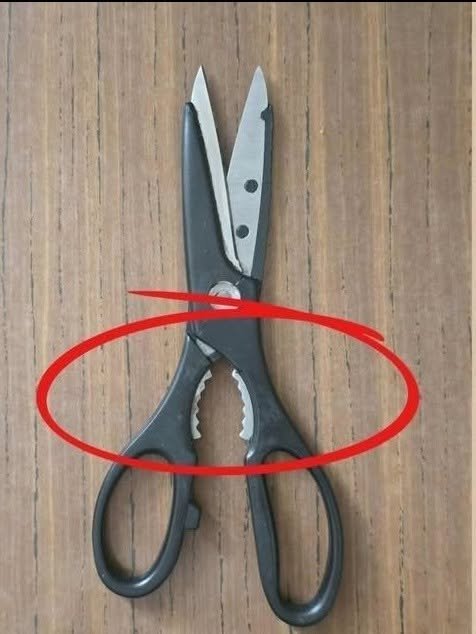
The Handles
The handles are ergonomically designed for comfort and maximum force. They are often spring-loaded to reduce hand fatigue during repetitive tasks. But the most fascinating part of the handle design is the space between them.
The Toothed Notch: The “Third Tool”
The toothed section located between the handles (or sometimes just below the pivot) is the feature in question. This serrated gap is a highly engineered multi-tool. When you close the handles together, the jagged teeth interlock, providing a massive amount of concentrated gripping force. Because the handles act as a lever, the force applied to the teeth is multiplied, allowing you to crush or grip hard objects with minimal effort.
The Primary Function: The Built-In Nutcracker
The most direct answer to the question “What is that weird toothed part for?” is that it is a nutcracker.
How It Works
When you place a hard object—like a walnut, pecan, or crab leg—between the serrated teeth and squeeze the handles, the fulcrum amplifies your hand strength. The teeth bite into the shell, preventing it from slipping. The pressure is concentrated precisely at the point of the teeth, allowing you to crack the shell cleanly without shattering it into a million pieces that fly across the kitchen.
Why a Nutcracker?
Think about the workflow of a home cook during the holidays or a seafood feast. You are preparing a large meal, your countertop is crowded, and your hands are likely wet or oily. Having a dedicated, single-purpose nutcracker adds to the clutter. By integrating this function directly into the kitchen shears, manufacturers eliminate the need for an extra tool. You can simply grab your scissors, crack the crab legs or nuts, and move on with your prep, saving time and drawer space.
The Second Superpower: The Jar Opener
The toothed section is also an incredibly effective jar opener. We have all experienced the frustration of trying to open a tightly sealed jar of pickles, jam, or pasta sauce. The vacuum seal can make the lid nearly impossible to twist off by hand, especially for those with limited grip strength or arthritis.
How to Use It
To open a stubborn jar, place the metal teeth of the shears around the rim of the jar lid. Squeeze the handles to lock the teeth firmly into the plastic or metal lid. The teeth provide a high-friction grip, breaking the seal without slipping. Once the grip is secure, simply twist the entire scissors to the left. The leverage of the handles gives you the power to break the vacuum seal with ease.
This is particularly useful for individuals who struggle with dexterity or hand strength. The long handles of the shears act as an extension of your arm, providing the extra torque needed to open the most stubborn lids.
The Third Function: Gripping Poultry Bones and Pin Feathers
For those who cook whole chickens or turkeys, the toothed notch is a lifesaver during the butchering process.
Related Posts:
The Vintage Kitchen Tool That Has Everyone Guessing
How to Effectively Remove Tartar from Your Teeth:…
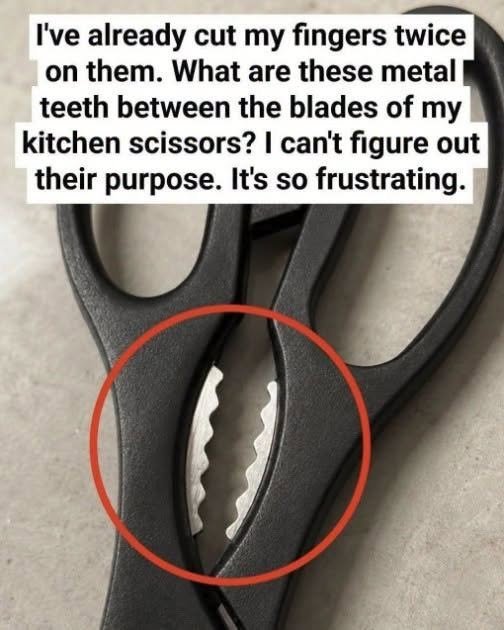
What Are the Metal Teeth on Kitchen Scissors? The…
The Vintage Kitchen Tool That Has Everyone Guessing
The Secret of the Nail Clipper Hole: Uncovering the…
The Hidden Purpose of the Tiny Hole in Your Nail…

The Tiny Hole in Your Nail Clipper: The Hidden…
The Truth Behind the Viral Sink Hack: Why You Cover…
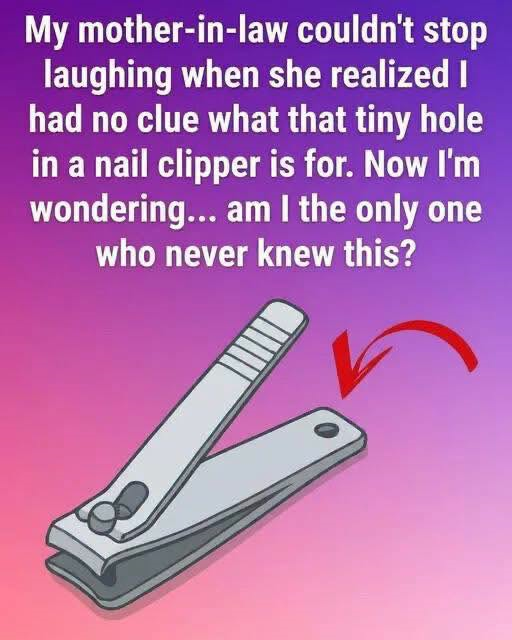
The Secret of the Nail Clipper Hole: Unlocking the…

Creamy Hungarian Chicken Paprikash with Nokedli: The…
Pulling Pin Feathers
Even after a chicken has been plucked, it often has tiny, stubborn pin feathers left behind. These are incredibly difficult to pull out with your fingers because they are slippery and deep-seated. The serrated teeth of the shears can grip these tiny feathers firmly, allowing you to pluck them out quickly and hygienically. The grip is so effective that some chefs consider this the primary secondary function of the tool.
Gripping Bones and Cartilage
When breaking down a chicken, especially around the joints (like the wings and thighs), the bones and cartilage can be incredibly slippery. Trying to grip them with your hands while cutting them with a knife is dangerous. You can use the toothed section of the shears to firmly grip the bone, stabilizing it while you use the main blades to snip through the cartilage.
Beyond the Obvious: Other Clever Uses
The toothed section is a versatile tool limited only by your imagination. Here are a few other ways you can use it in the kitchen:
Cracking Hard Shells
Beyond nuts, this feature is excellent for cracking lobster claws, crab legs, and even hard-shelled seafood. It provides controlled pressure, cracking the shell without crushing the delicate meat inside.
Twisting Bottle Caps
While not designed for glass beer bottles (which typically require a dedicated pry-off opener), the toothed section is perfect for twisting off plastic screw caps on soda bottles, water bottles, or juice jugs.
Pulling Out Stubborn Corks
If a cork breaks or gets pushed too far into the bottle, the serrated teeth can be used to grip the exposed portion of the cork and carefully pull it out without it crumbling.
Opening Tough Packaging
Some modern packaging, particularly thick plastic clamshells, is notoriously difficult to open. The toothed section can be used to bite into the plastic, providing the initial tear that allows you to pull the packaging apart.
Safety First: Avoiding the “Scissor Pinch”
The viral image of the kitchen scissors highlights the toothed section with a red circle. This is a common source of frustration for users, as these teeth can cause painful pinches if you are not careful.
The Pinch Point
The teeth act as a pinching mechanism. If your skin gets caught between the interlocking teeth as you close the handles, it can cause a sharp, painful pinch or even a small cut.
Best Practices for Safe Use
- Keep Fingers Clear: Always keep your fingers on the designated finger loops. Never place your fingers near the pivot point or the toothed section while cutting.
- Use the Right Tool: Do not attempt to use the toothed section to crack extremely hard objects (like macadamia nuts or large Brazil nuts) that might require more force than the plastic handles can withstand.
- Clean Carefully: When washing the scissors, be extremely mindful of the sharp teeth. Use a dish brush rather than your fingers to clean the crevices.
- Lock the Handles: Many kitchen shears have a locking mechanism. Always engage the lock when the shears are not in use to prevent accidental opening and pinching.
How to Maintain Your Kitchen Shears
To keep your kitchen shears functioning at their best, proper maintenance is essential.
Cleaning the Toothed Section
Food particles, oils, and debris can easily get trapped between the serrated teeth. Because of the shape, a standard sponge might not reach the crevices. Use a small, stiff-bristled brush (like an old toothbrush) to scrub the teeth thoroughly with warm, soapy water.
Drying and Storage
Always dry your shears immediately after washing to prevent rust, especially around the pivot and the teeth. Store them in a safe, dry place. Many shears come with a protective sheath; use it to keep the blades sharp and to protect your fingers from the sharp teeth when rummaging through a drawer.
Sharpening the Blades
If your shears start to tear rather than cut, it is time to sharpen the blades. You can use a standard kitchen knife sharpener, a diamond file, or take them to a professional. Do not try to sharpen the serrated side of the blade with a standard sharpener, as it will ruin the teeth. Only sharpen the smooth side.
Debunking the Myths
There are several misconceptions about the toothed section of kitchen scissors. Let’s put them to rest.
Myth 1: It’s for Cracking Ice
While the teeth might be able to break a small ice cube, the metal is not designed for the extreme cold and hardness of frozen ice. Doing so can damage the pivot or blunt the teeth.
Myth 2: It’s a Screwdriver or Pry Bar
Never use your kitchen shears as a pry bar or a screwdriver. The handles are usually made of plastic or lightweight metal, and applying that kind of leverage will break them.
Myth 3: It’s Just a Decorative Design
The teeth are highly functional. Manufacturers do not add them as a decorative flourish; every tooth is designed for gripping.
Conclusion: A Multi-Tool in Your Drawer
The weird toothed part on your kitchen scissors is not a design flaw, nor is it a useless gimmick. It is a brilliant, multi-functional feature that transforms a simple cutting tool into a powerful kitchen workhorse. Whether you are cracking crab legs, opening a stubborn jar of pickles, or plucking pin feathers from a chicken, this hidden serrated notch is there to make your culinary tasks easier.
The next time you reach for your kitchen shears, take a moment to appreciate the engineering that went into that little set of teeth. With proper care and a little bit of caution to avoid the pinch, you can unlock the full potential of your kitchen tools and streamline your cooking process.
Frequently Asked Questions
What is the purpose of the teeth on kitchen scissors?
The teeth between the handles act as a built-in nutcracker, jar opener, and grip. They are designed to crack hard shells (like nuts or crab legs), grip slippery bones, and twist off stubborn bottle caps.
Can I use the toothed section to open a beer bottle?
No. The teeth are designed for twisting off screw-on caps (like plastic soda or water bottles). They are not designed to pry off metal crown caps on glass beer bottles, as this can damage the scissors.
Why did my scissors pinch my hand?
The teeth act as a powerful gripping mechanism. If your skin gets caught between them as you close the handles, it can cause a painful pinch. Always keep your fingers on the designated loops.
Are these scissors safe for children to use?
No. Because of the sharp blades and the pinching mechanism of the teeth, these scissors should be kept out of the reach of children.
How do I clean food out of the toothed section?
Use a stiff-bristled brush (like an old toothbrush) with warm, soapy water. Scrub between the teeth thoroughly to remove trapped food particles and grease.
Can I use the teeth to crack ice cubes?
It is not recommended. The extreme hardness and cold of the ice can damage the metal teeth or the pivot mechanism of the scissors.
Why is my toothed section made of plastic on some scissors?
Some cheaper models use plastic for the toothed section. While these are safer for avoiding sharp cuts, they are less durable and should only be used for lightweight tasks like opening plastic caps, not cracking hard nuts.
What is the difference between the teeth on the handles and the serrated blade?
The teeth on the handles are for gripping and cracking. The serrated edge on one of the blades is for gripping slippery foods (like tomatoes or fish) while cutting, ensuring a clean slice.
Related Posts:
The Vintage Kitchen Tool That Has Everyone Guessing
How to Effectively Remove Tartar from Your Teeth:…
What Are the Metal Teeth on Kitchen Scissors? The…
The Vintage Kitchen Tool That Has Everyone Guessing
The Secret of the Nail Clipper Hole: Uncovering the…
The Hidden Purpose of the Tiny Hole in Your Nail…
The Tiny Hole in Your Nail Clipper: The Hidden…
The Truth Behind the Viral Sink Hack: Why You Cover…
The Secret of the Nail Clipper Hole: Unlocking the…
Creamy Hungarian Chicken Paprikash with Nokedli: The…



Comments